
OPALS has six mutually supportive key themes:
Strengthening African leadership in sustainable environmental management
The OPALS programme is training a cohort of research leaders equipped to contribute to the better management of ecosystems to meet the needs of future generations. Achieving sustainable, resilient, and prosperous livelihoods in Africa requires stronger and more innovative leadership in evidence-led adaptive capacity. OPALS is delivered through solutions-orientated projects, predominantly led by a pan-African community of postgraduate trainees. OPALS scholars are contributing to sustainable systems transitions by co-producing science-based solutions to understand, mitigate, and adapt to environmental change. Their work extends beyond their targeted research projects to engage with social-ecological systems at scale and understand how applied research can make a positive difference to societies and ecosystems in Africa. Trainee-led projects are overseen by supportive supervisory teams including African experts and ideally mixed genders. These projects foster a strong collaborative network of change agents working on interconnected problems across African landscapes.
Improving the representation of African Landscapes in data and decision support tools
African landscapes are systematically underrepresented in global collections of scientific information and decision-making tools. This bias in ‘formalised’ knowledge undermines assessments of the opportunities from, and threats to, the ecosystem services these landscapes provide, and hinders effective decision-making about sustainable uses. OPALS is helping to address this problem by collecting new data, collaborating with others to increase the availability and accessibility of data, and embedding an ethos of open science at the heart of every activity to maximise wider societal value and benefit.
Developing techniques to improve the monitoring and management of rangelands for people, livestock, and wildlife
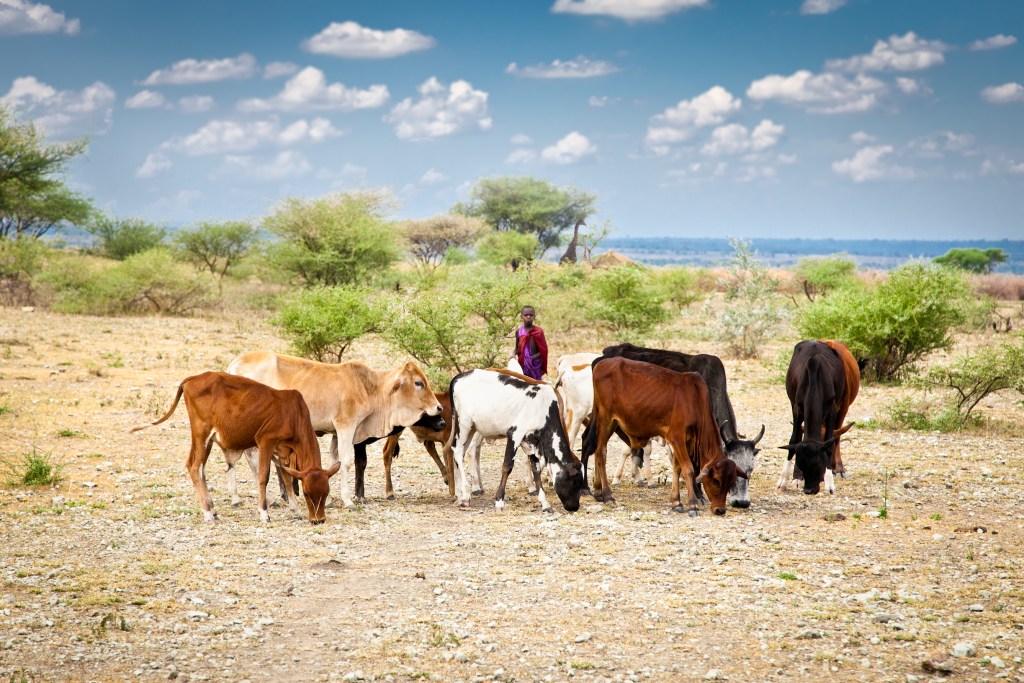
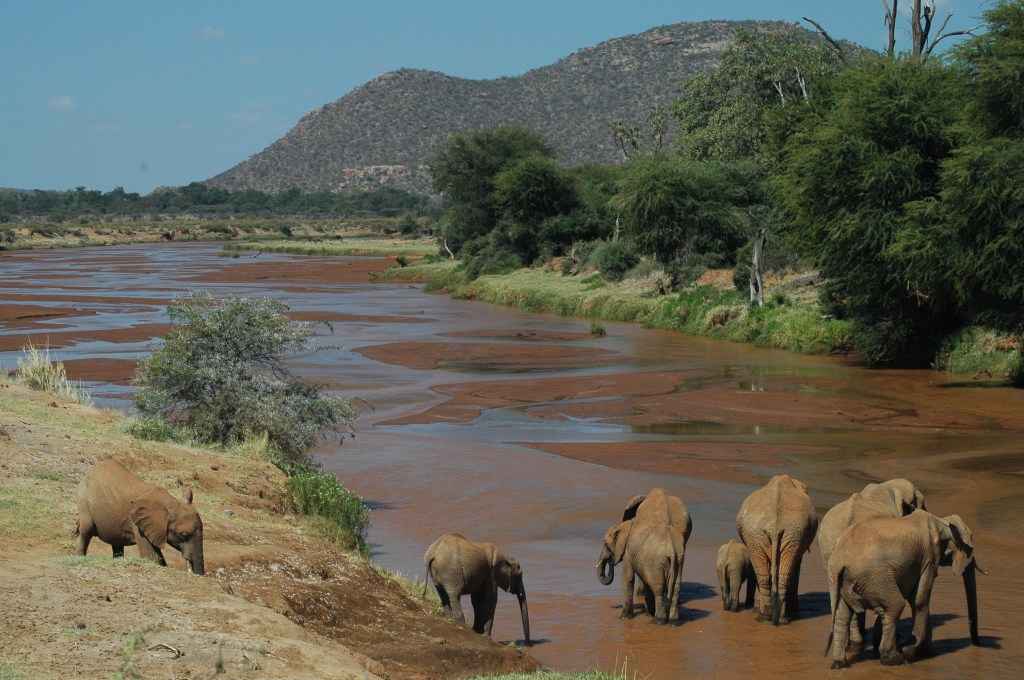
Dry rangeland systems in Africa are experiencing change, with increasing pressure on land resulting in changes in vegetation structure and function, loss of biodiversity, and reduction in wildlife biomass that all affect the provision of ecosystem service. Informing the more sustainable management and utilisation of these landscapes requires systems-level thinking and solutions that embody African perspectives, as well as state-of-the-art research tools that enable evidence and assumptions to be tested across scales. OPALS activities under this theme aim to provide better insight to decision-makers in communities, land managers and policy makers.


Accelerating scaling resilient, sustainable, and socially just land management through applied systems thinking approaches
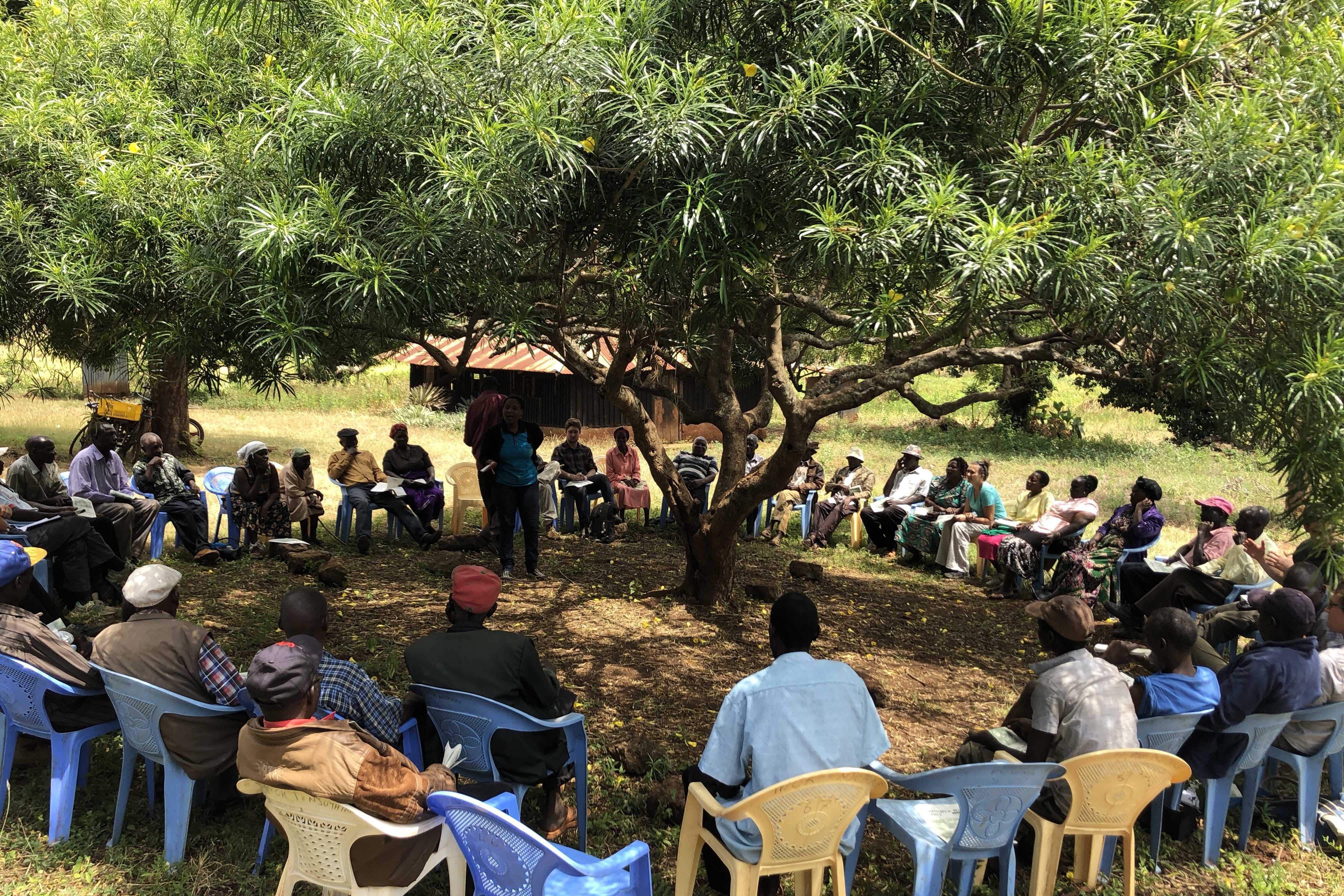
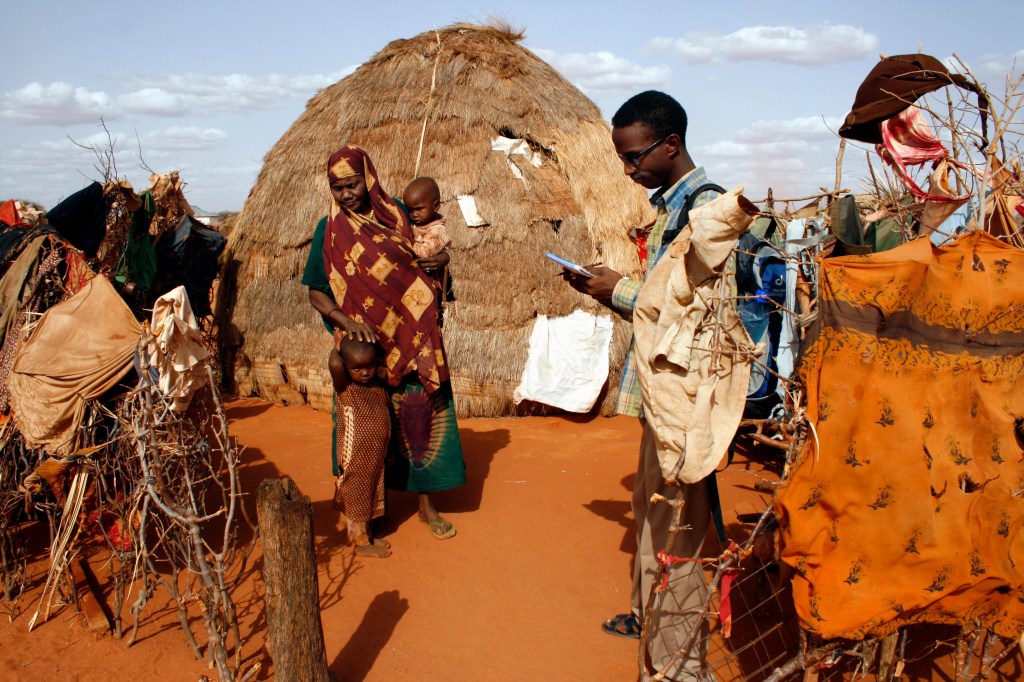
Landscapes are social-ecological systems, formed of complex relationships between people and the ecosystems they inhabit, alter, and manage for their livelihoods. These relationships are embedded in cultural values and behavioural norms, socio-economic systems, and social networks, meaning that to effectively trigger change landscape conservation or restoration initiatives must embrace social-ecological systems approaches. The relationships between human and ecological components of a system can form feedback loops that either operate to reinforce the status-quo, making it resistant to change, or which can amplify negative changes (vicious cycles) or positive changes (virtuous cycles). Where amplifying feedbacks are strong enough to drive self-propelling change away from the status-quo, they can drive rapid, cascading and sometimes irreversible change. Systems thinking approaches can help identify interventions that can trigger or accelerate rapid and self-propelling change towards sustainability and justice goals.

Enabling African land users to access opportunities in nature and carbon finance to support more sustainable land use
Payments for Ecosystem Services (such as carbon sequestration and biodiversity enhancement credits exchanged on global markets) have significant potential to fund sustainable land management in ways that can benefit people and environments. However, many land management and community groups across Africa who could potentially benefit from these payments struggle to access these revenue streams because of significant barriers to access, including data availability, costs of monitoring, complex reporting and auditing processes, and poor governance. OPALS enables research and knowledge exchange activities between academia and our conservation partners to strengthen understanding of the potential role of payments for ecosystem services science and frameworks, and we continue to engage with other conservation entities to identify opportunities where we can make appropriate and constructive contributions.
Informing adaptation of African cities to climate change impacts
Africa’s rapidly urbanising population centres face challenges that are worsened by climate change. Consequently, developing evidence-led adaptive capacity is a high priority to lessen the burdens that are already being experienced by millions people. Locally-responsive and effective solutions can be transformative for supporting adaptation and resilience in the built environment, while also creating opportunities to improve wellbeing and sustainable economic development. African innovation and leadership coupled with global trends in affordable green technologies present opportunities for interventions (e.g., targeted infrastructure investment, or changes to governance and planning frameworks) to effect systemic change. OPALS activities enhance the use of systems thinking approaches and evidence in decision-making processes to improve outcomes for people and nature in urban settings.


 Oppenheimer Programme in African Landscape Systems (OPALS)