
Payments for Ecosystem Services (such as carbon sequestration and biodiversity enhancement credits exchanged on global markets) have significant potential to fund sustainable land management in ways that can benefit people and environments. However, many land management and community organisations across Africa, who could potentially benefit from these payments, struggle to access these revenue streams. Barriers to access include data availability, costs of monitoring, complex reporting and auditing processes, governance, and asymmetric power dynamics leading to exploitative practices. OPALS enables research and knowledge exchange activities between academia and our partners to strengthen understanding of the potential role of payments for ecosystem services science and frameworks, and we continue to engage with entities to identify opportunities where we can make appropriate and constructive contributions.
Example Activities
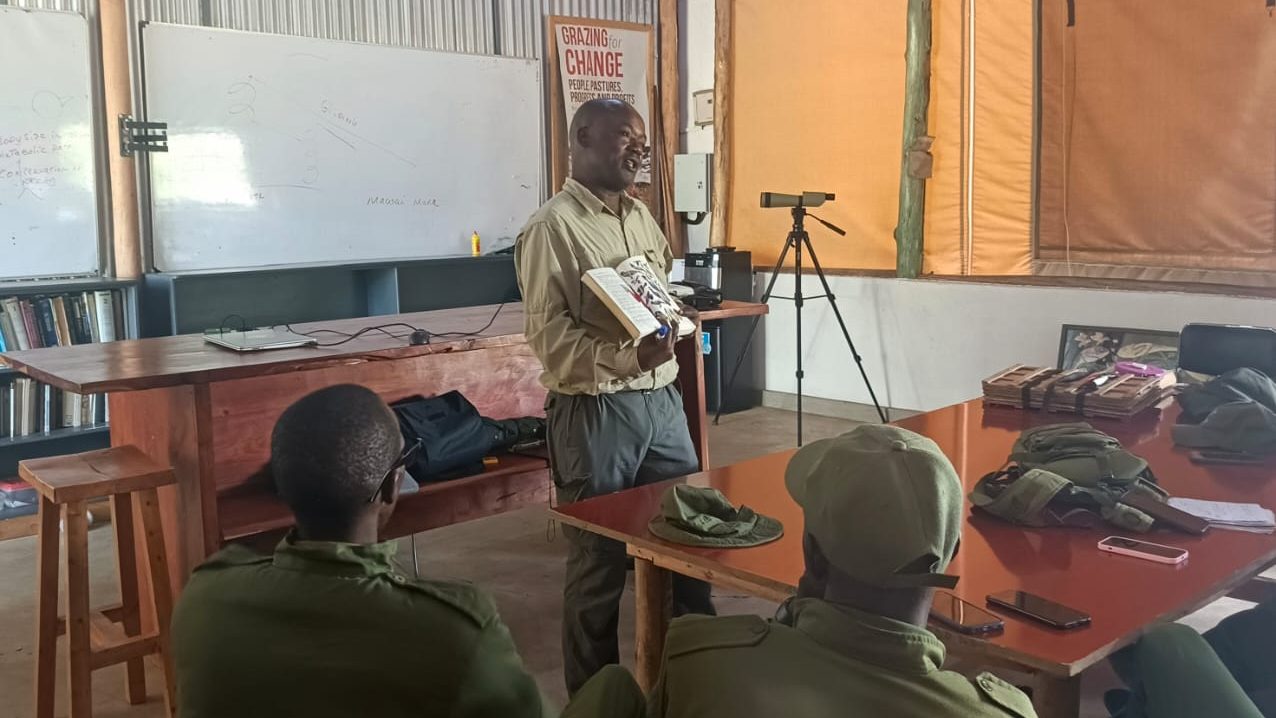
Oppenheimer Impact Scholar Milcah Kirinyet worked with Sustain East Africa and the Northern Mara Conservancies of Enonkishu, Olchoro Oirouwa, and Mbokishi to co-develop more robust frameworks for ensuring that the community share the benefits from ecologically and financially more sustainable land management practices. Her work established a new Open Access repository of data and information about the avian and floral biodiversity in the 13,000 ha area. By co-creating auditable wildlife and ecosystem health data structures to leverage biodiversity credits, we enhance conservancies’ financial resilience. By reducing dependency on tourism and diversifying revenue streams, we help landowners see the long-term value in conservation over other ventures. This holistic approach not only preserves critical ecosystems but also empowers communities.
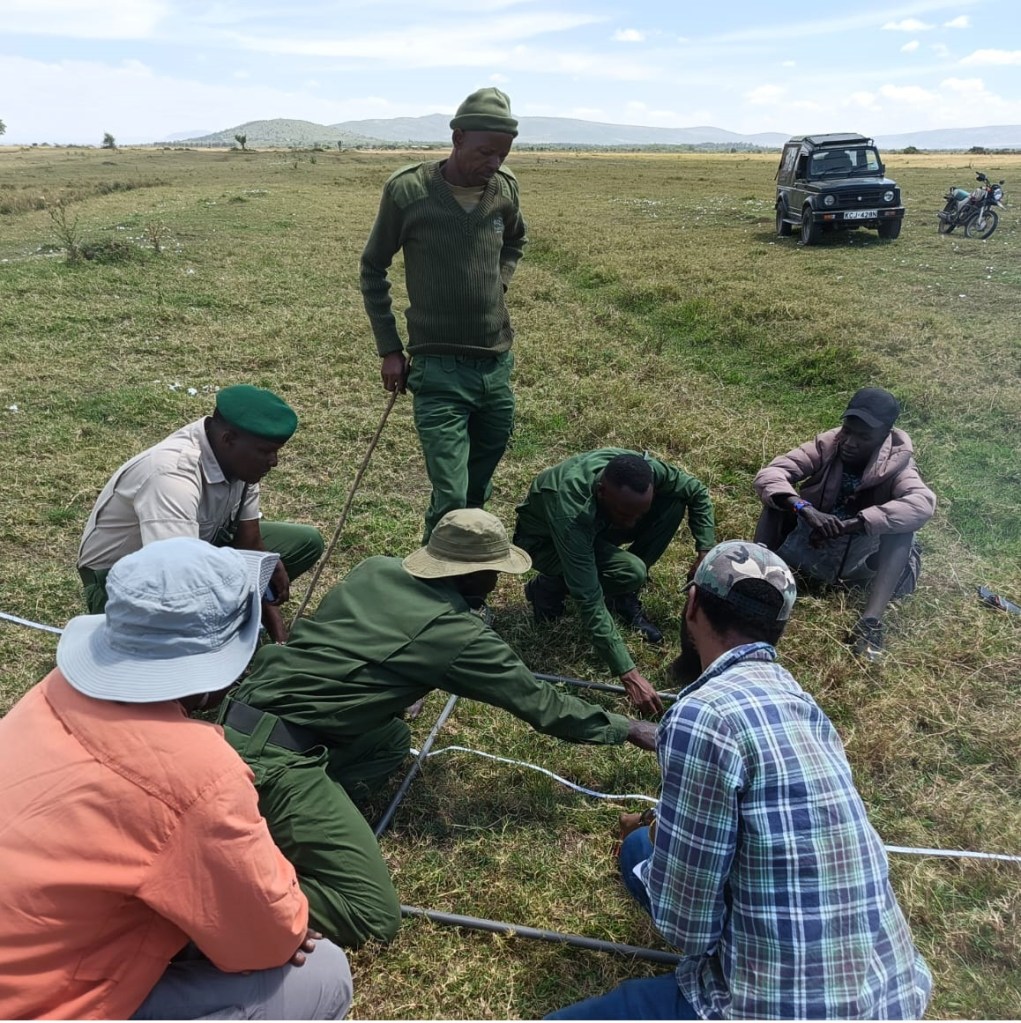
OPALS is supporting the Enhanced Weathering Africa Partnership (EWAP) project with £3,000 to strengthen the design phase of a Ghana pilot using enhanced rock weathering to improve soils and help unlock nature and carbon finance opportunities for smallholder farmers. Working with CSIR–Crop Research Institute and CSIR–Soil Research Institute, and engaging Ghana’s EPA Climate Change Unit, EWAP will produce a Ghana ERW technical design report and a companion policy brief. These outputs will set out locally appropriate safeguards, stakeholder pathways, and practical monitoring and data requirements; addressing barriers that often prevent land users from accessing payments for ecosystem services, such as high monitoring costs and complex reporting. The work will package a fundable pilot plan that can attract follow-on investment and, ultimately, support farmers to benefit from both improved soil productivity and credible participation in emerging carbon finance mechanisms, with clear principles for transparent, equitable benefit sharing.
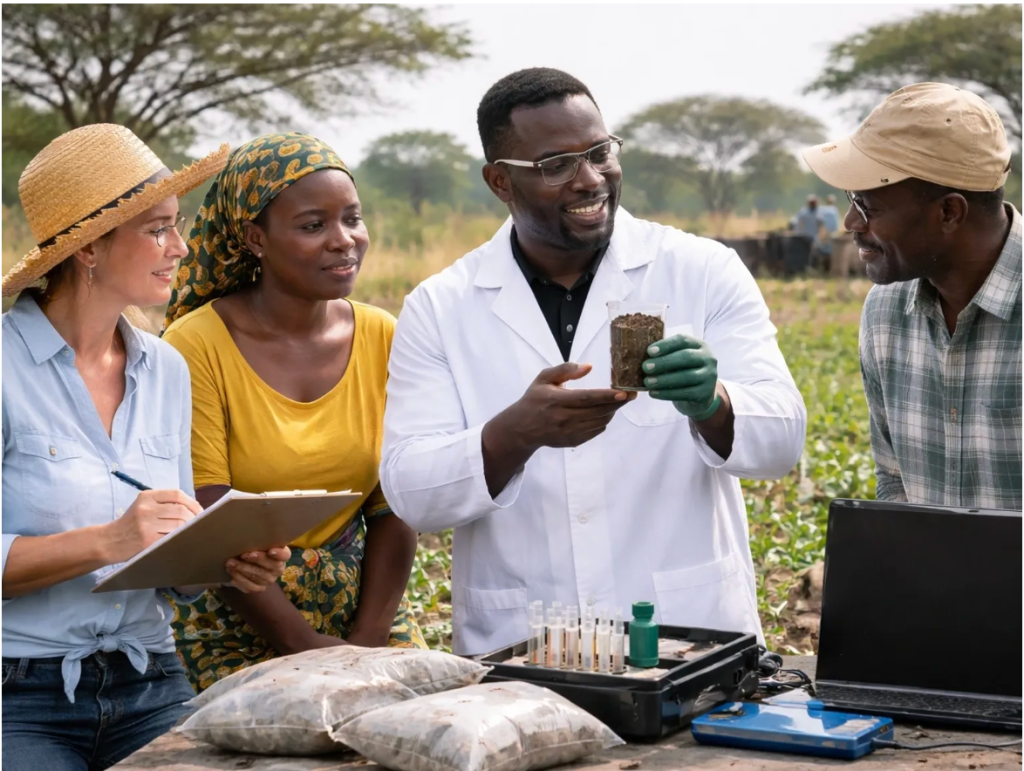
Oppenheimer Impact Scholar in Conservation Governance Isaac Mureithi will work in close partnership with the African Wildlife Foundation, bringing actuarial skills to bear on developing better models of sustainable landscape conservation that integrate African perspectives and social justice into finance flows linked with carbon and biodiversity credits.
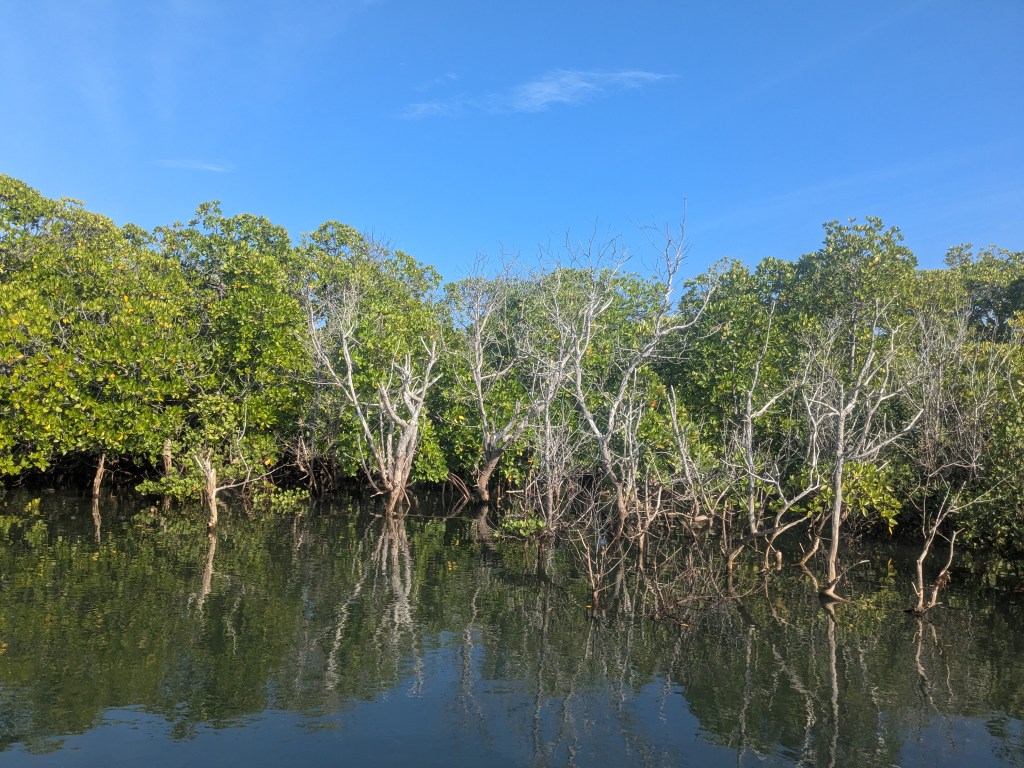
Masters student Amy Shaw assisted the Manda Island Conservation Project in Kenya in exploring how the mangrove habitats that they manage could potentially yield carbon credits worth ca. USD $17,000 per annum. This helped the conservation initiative learn about options for diversifying their revenue streams to increase the fiscal stability of their activities to conserve threatened coastal habitats.
 Oppenheimer Programme in African Landscape Systems (OPALS)