
About Us
Welcome to the Baobabs in Africa Mapped (BAM) project! We are a team of researchers and conservationists using crowdsourcing to map and assess the location and health of baobab (Adansonia sp.) trees across Africa. This initiative is part of Chafika Phiri’s doctoral work within the Oppenheimer Programme in African Landscape Systems (OPALS), in partnership with the Baobab Foundation and supported by Few and Far Collections.
Our Aim
The primary aim of BAM is to gather usable data on baobab populations across Africa. We are creating an open-source community-contributed dataset on the distribution and health of these trees to improve the representation of African landscapes in data and decision-making tools and improve conservation strategies for the sustainable future of people and nature.
Why Study Baobabs?
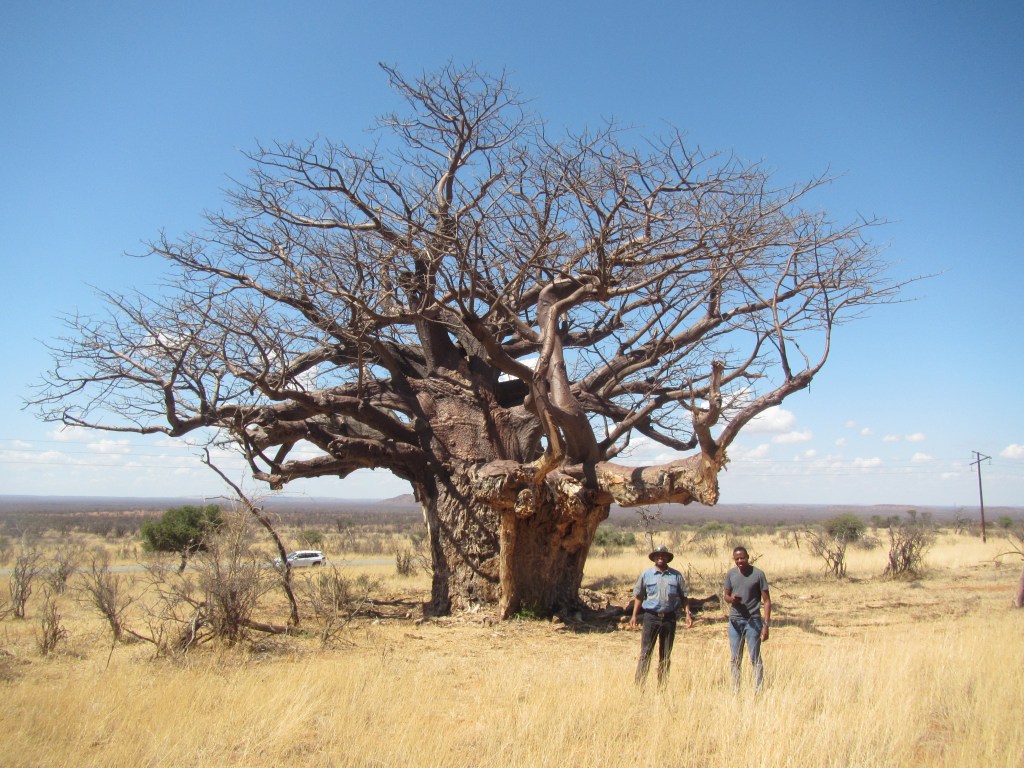
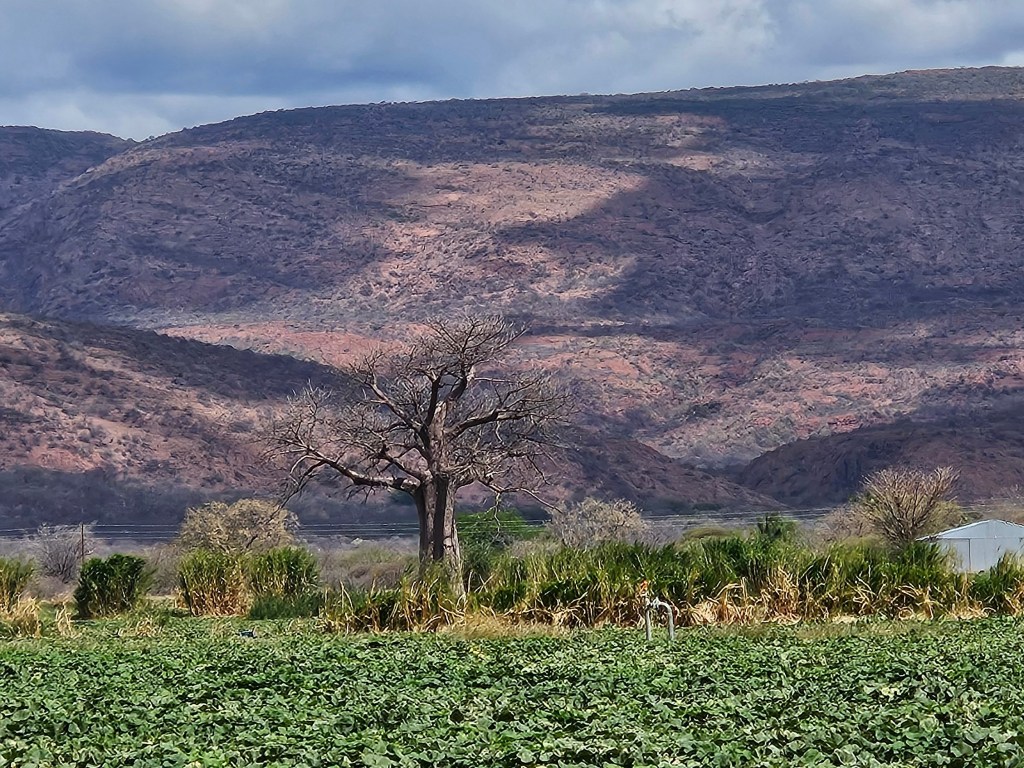
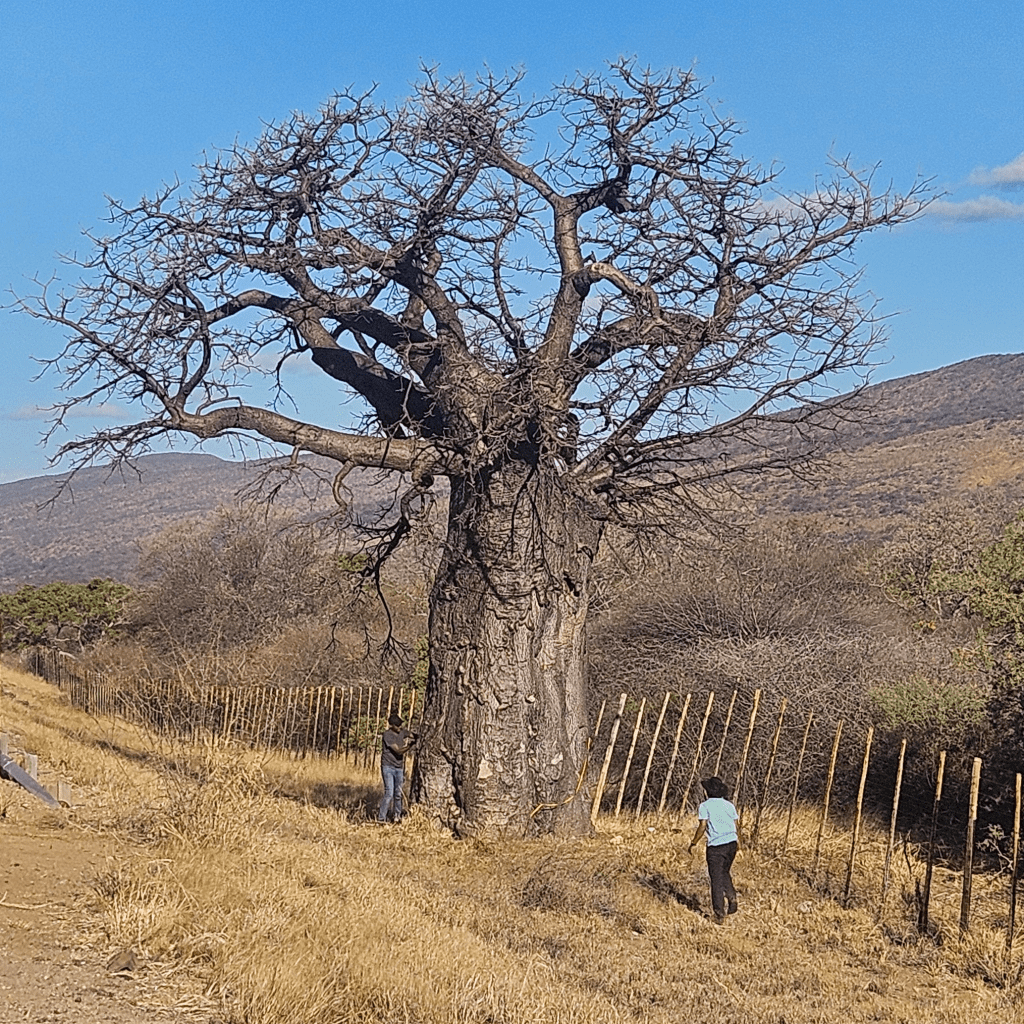
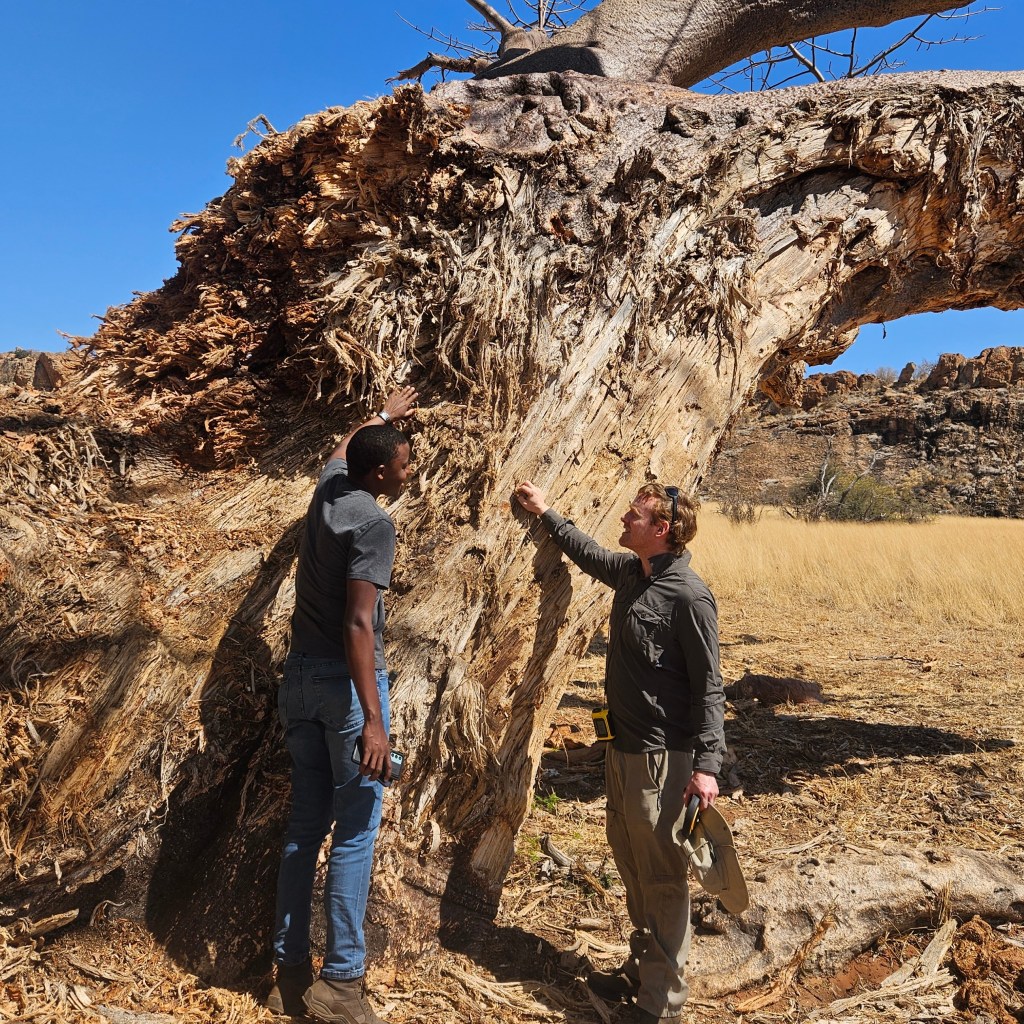
Millions of people across Africa’s arid savannas rely on baobab products for food, water storage, income, and traditional medicine. However, baobab populations across the continent are under increasing threats from land-use change, climate change, and unsustainable harvesting. To learn more about the social and ecological significance of baobab trees across Africa, please see the Baobab Foundation’s accessible introductory guide and their other resources.
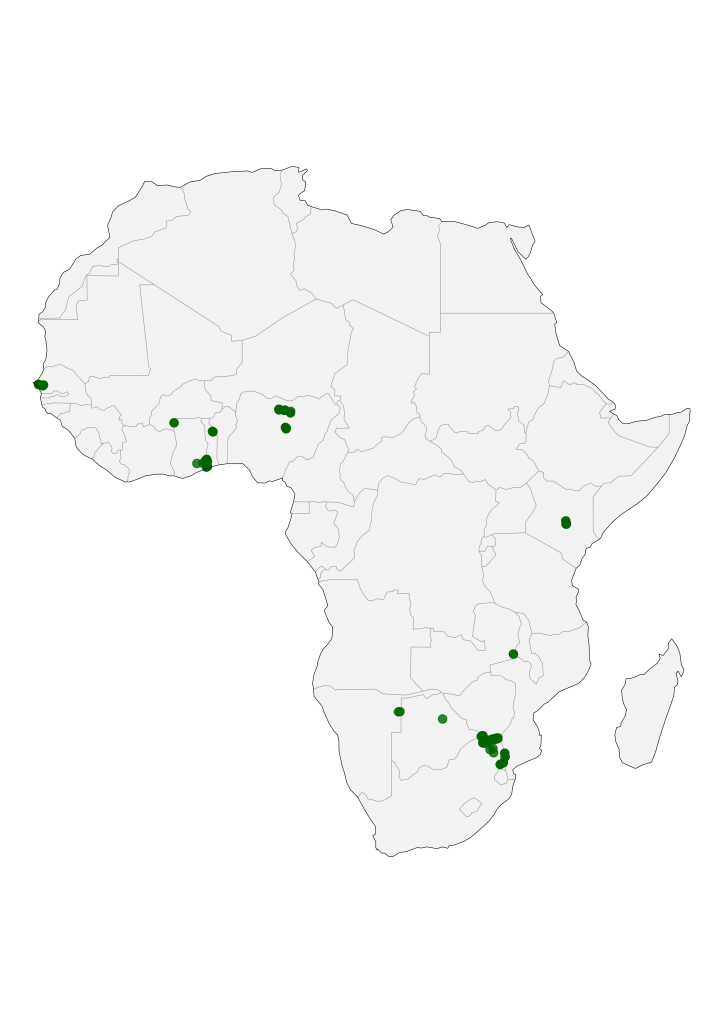
BAM has sampled 2,121 individual trees across nine countries (South Africa, Ghana, Kenya, Senegal, Togo, Nigeria, Zambia, Namibia, Botswana). We need your help to sample more!
How to Get Involved?
We invite you to join us in our mission to understand, value and protect these trees, and be part of advancing open research practice to support sustainability across the continent.
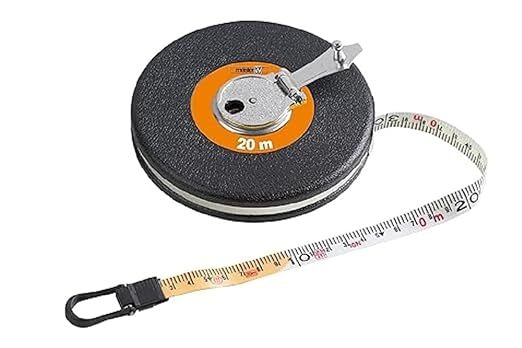
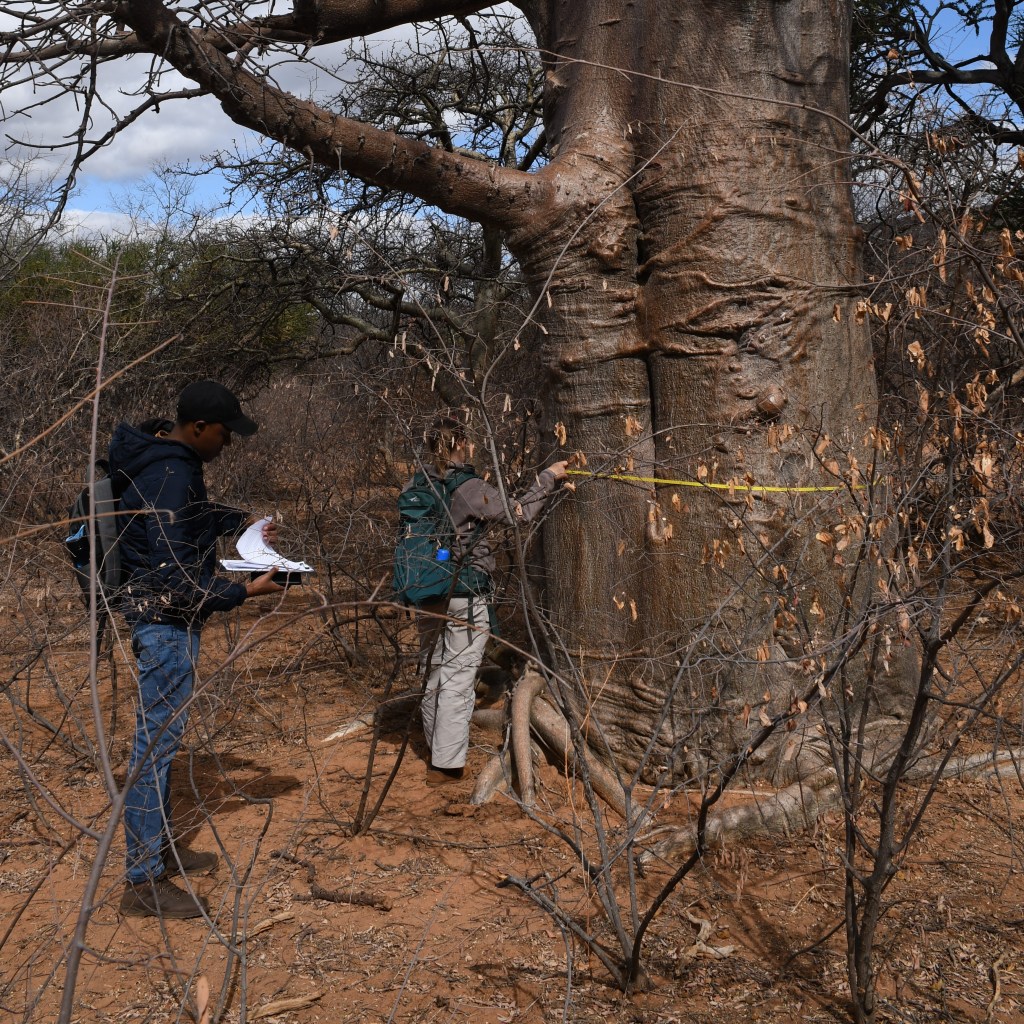
All you need to participate and contribute observations is a smartphone (equipped with a camera and GPS) and a tape measure, and to be somewhere with baobab trees.
We use a user-friendly mobile application, KoboCollect, to record the location, photographs and observations of baobab and non-baobab trees. It takes just 5 minutes per tree and once you have collected data, you can easily upload it via the app when you next have internet access.

Benefits of Participation
- Make a difference: contributing data on individual baobab tree locations, physical measurements, visual assessments, and photographs will play a crucial role in advancing the understanding and conservation of these trees.
- Contribute to science: your involvement will help create the first-ever open-source dataset on African baobabs, which will be published in an open-access public repository and data journal.
- Contribute to outputs: depending on your level of contribution, you could be invited to participate as a co-author on the resulting data publication (see policy below).
Connect with Us
For more information or assistance, please contact Chafika via CP844@ex.ac.uk or WhatsApp: +260770590580. Please invite others and share our webpage to help us reach more collaborators and make a positive impact together!
Download BAM Data Use and Authorship Policy


 Oppenheimer Programme in African Landscape Systems (OPALS)