


New publication of African Plant Traits data – February 2026
We are pleased to announce the publication of a new data resource in Scientific Data, led by OPALS Scholar Enimhien Akhabue. Our paper, Critical classification parameters linking species to Plant Functional Type in African ecosystems, delivers a five-fold improvement in usable plant observations across the continent, expanding the number of species that can be integrated into models such as JULES from 265 to 1,603. This is a significant contribution to improving the representation of African ecosystems in large-scale modelling efforts, delivering on the OPALS objectives to improve African landscape data, modelling capacity, and open, reproducible science.

Baobabs under threat – October 2025
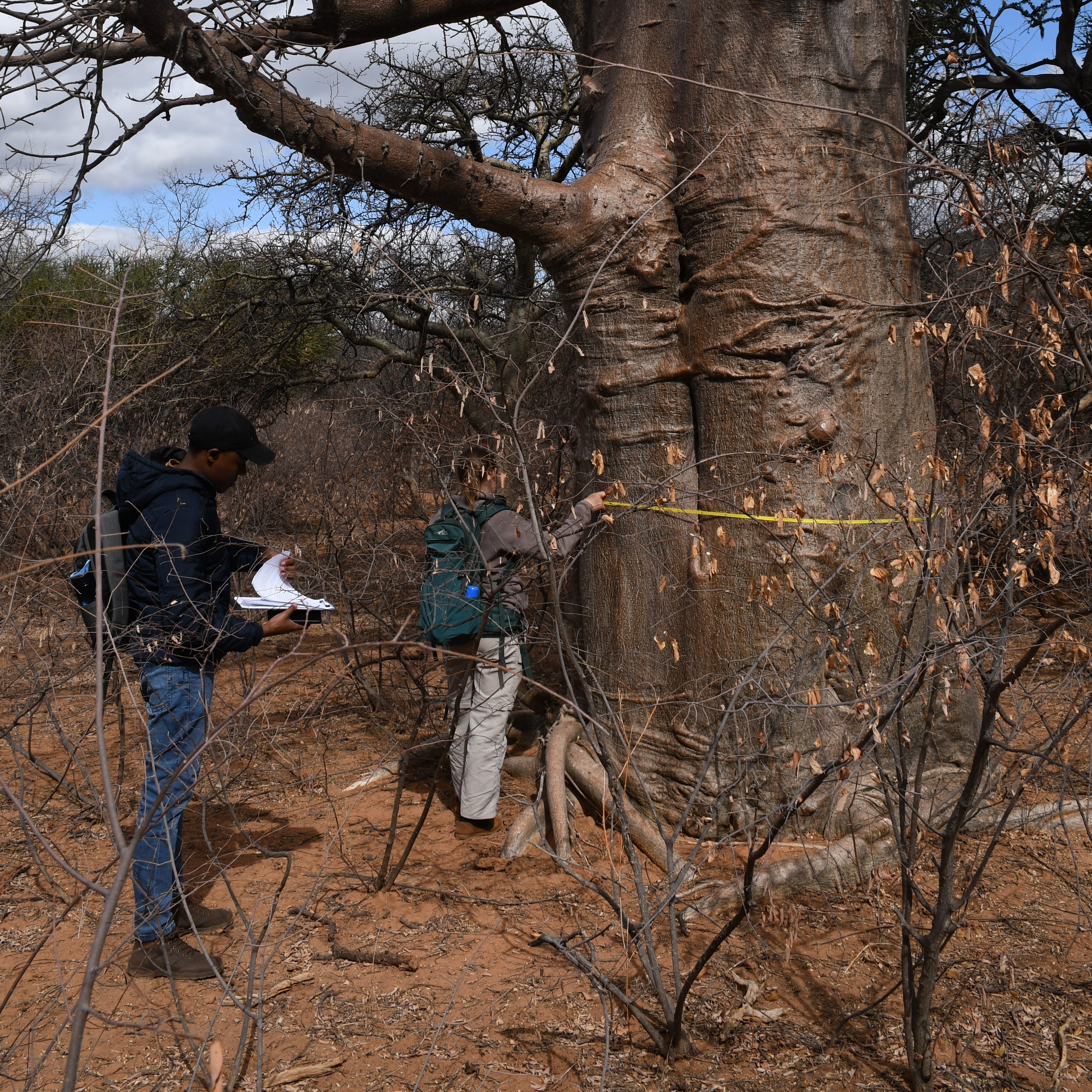
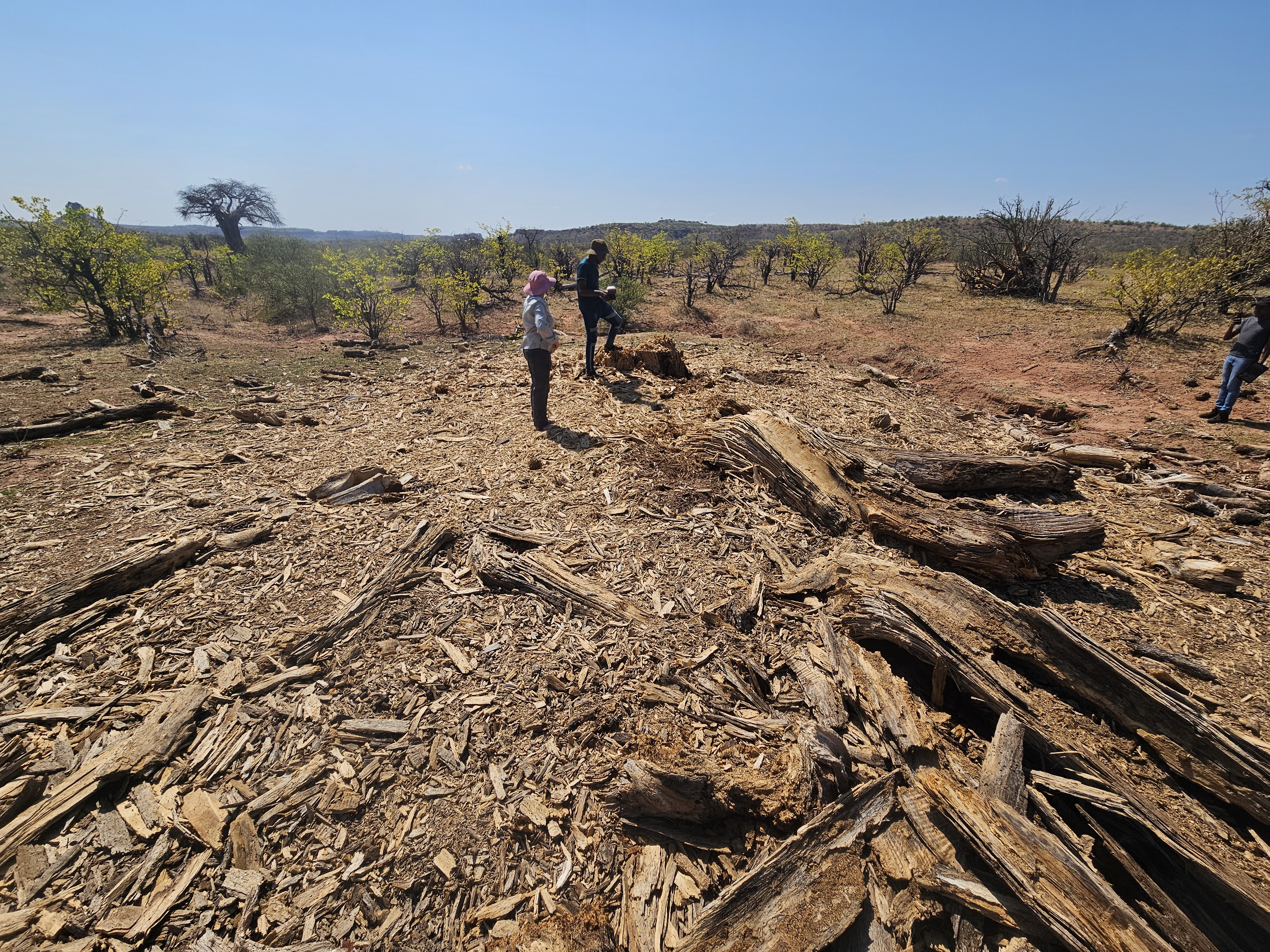
Our visit near Mapungubwe National Park highlighted the acute pressure that trees such as this former baobab are experiencing due to unsustainable utilisation by elephants. OPALS Scholar Chafika Phiri’s ongoing work will help managers to understand the scale of this issue and inform consideration of intervention options.

Oppenheimer Research Conference October 2025
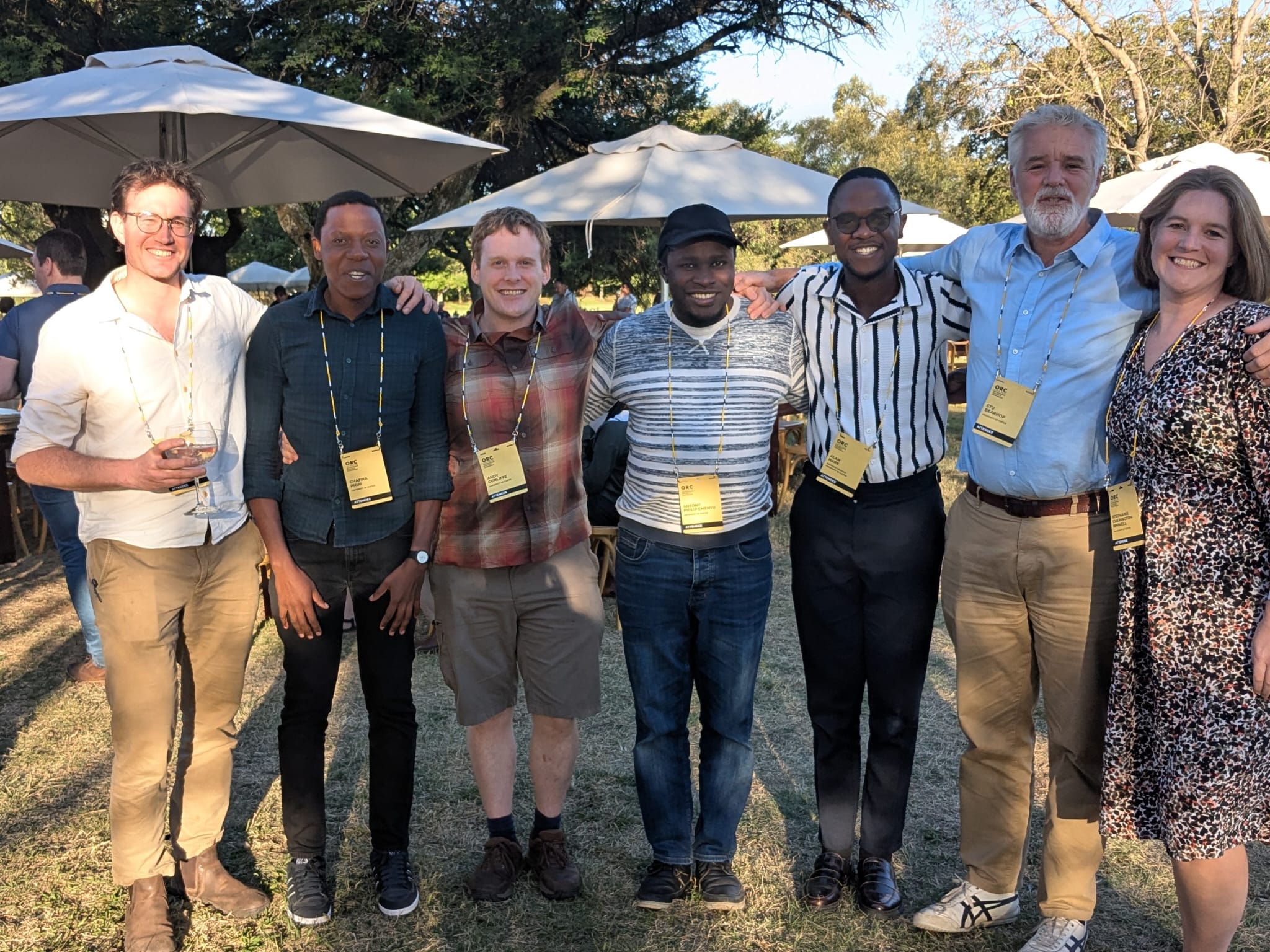
The Oppenheimer Research Conference (ORC) again provided a fantastically stimulating environment for exchanging the vital ideas and insights that underpin applied research for impact. OPALS Scholars Antony Emenyu shared an overview of his doctoral work, Alan Nare contributed his work to model herbivory, and Chafika Phiri received a conference award for his poster contribution. Videos of the Conference Highlights and entire event are online.
This year OPALS team were delighted to be joined at the ORC by senior leaders from the University, including Professor Lisa Roberts (President and Vice-Chancellor) and Professor Stu Bearhop (Associate Pro-Vice-Chancellor for Global Engagement).
OPALS shares new insights into adapting to changing coastal hazards in Maputo, Mozambique.
September 2025
This Oppenheimer Impact Project led by Minda Cossa developed new insight into how information around changing risks in developing coastal areas is used, shared, and improved through partnerships between urban planners and other professions related to urban development. Minda shared her findings via English and Portuguese videos. This project was undertaken in partnership between the University of Exeter, the University of Cape Town’s African Climate and Development Institute, and Centro Terra Viva. The Impact Report from Minda’s project is available online, and you can also learn more by reading her dissertation or contacting her.
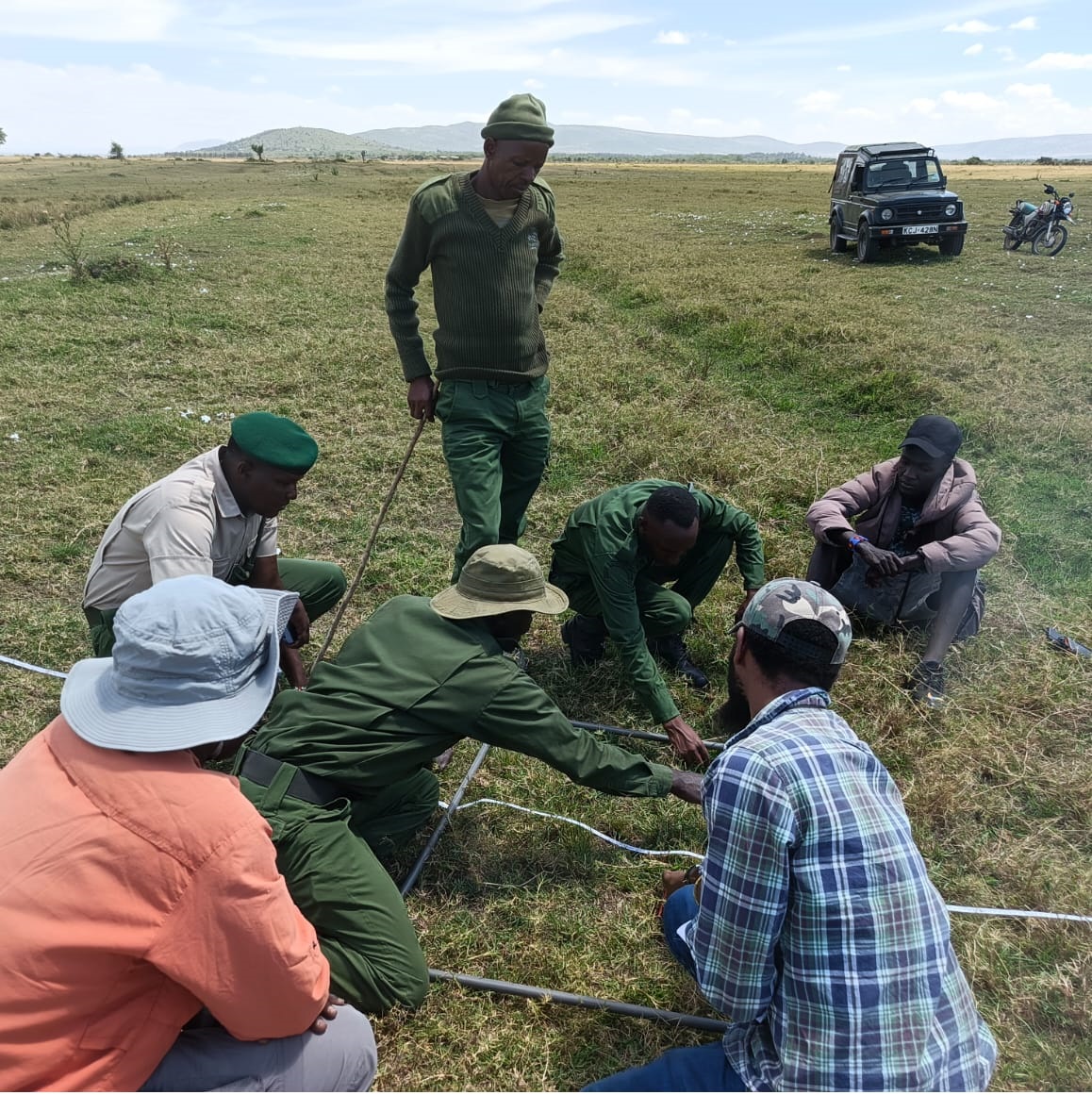
OPALS generates new insights into the biodiversity of the Northern Mara, supporting conservancies with sustainable land management and accessing opportunities in nature finance.
March 2025
Oppenheimer Impact Scholar Milcah Kirinyet led this project to create a new Open Access repository of data and information about the avian and floral biodiversity in the 13,000 ha Northern Mara Conservancies of Enonkishu, Olchoro Oirouwa, and Mbokishi in partnership with Sustain East Africa. The baseline survey provides foundational understanding of biodiversity in the region, guiding conservation efforts and supporting longer-term efforts to diversify revenue through biodiversity enhancement credits. A full Impact report from this project is available. Milcah has recently proceeded to a job as a Data Systems Research Officer for the Standing Panel on Impact Assessment at the International Livestock Research Institute.

Informing adaptation to coastal hazards: strengthening communication of sea level rise and cyclone risk in Maputo planning policy spaces
MSc Dissertation by Oppenheimer Impact Scholar Minda Cossa (January 2025)
The communication of changing risks associated with sea level rise and cyclones in urban planning policy spaces is crucial for effective adaptation. Minda’s dissertation engaged 31 stakeholders in climate science and urban planning communities in Maputo, Mozambique, and highlighted key communication challenges, including technical complexity, language barriers, and institutional constraints. Her work emphasises the importance of clearer communication tools, reliable data, and stronger institutional coordination to improve climate risk integration in urban planning.
Dr Duncan MacFadyen, Head of Research and Conservation and Rendani Nenguda, Senior Research Associate from Oppenheimer Generations Research and Conservation formerly welcomed to the University of Exeter‘s College of Benefactors
December 2024
MSc Dissertation by Amy Shaw (September 2023)
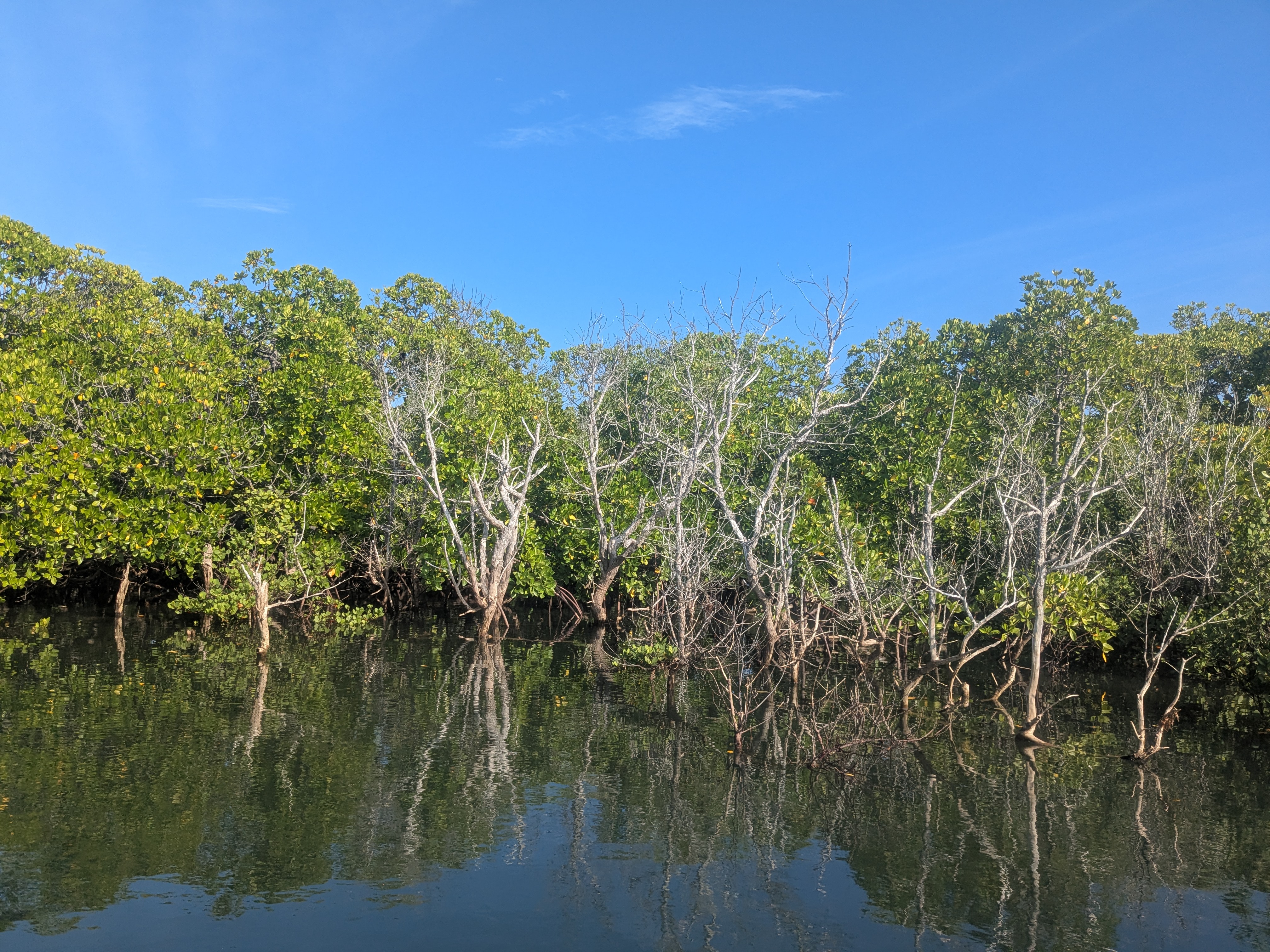
Masters student Amy Shaw assisted the Manda Island Conservation Project (MICP) in Kenya in exploring how the mangrove habitats that they manage could potentially yield carbon credits worth ca. USD $17,000 per annum. This helped the conservation initiative learn about options for diversifying revenue streams to support conservation of threatened coastal habitats. Amy’s findings highlighted the potential for a commercially viable carbon project and identified areas for further evaluation, including a full economic assessment, understanding the new Kenyan regulations, and verifying key assumptions.
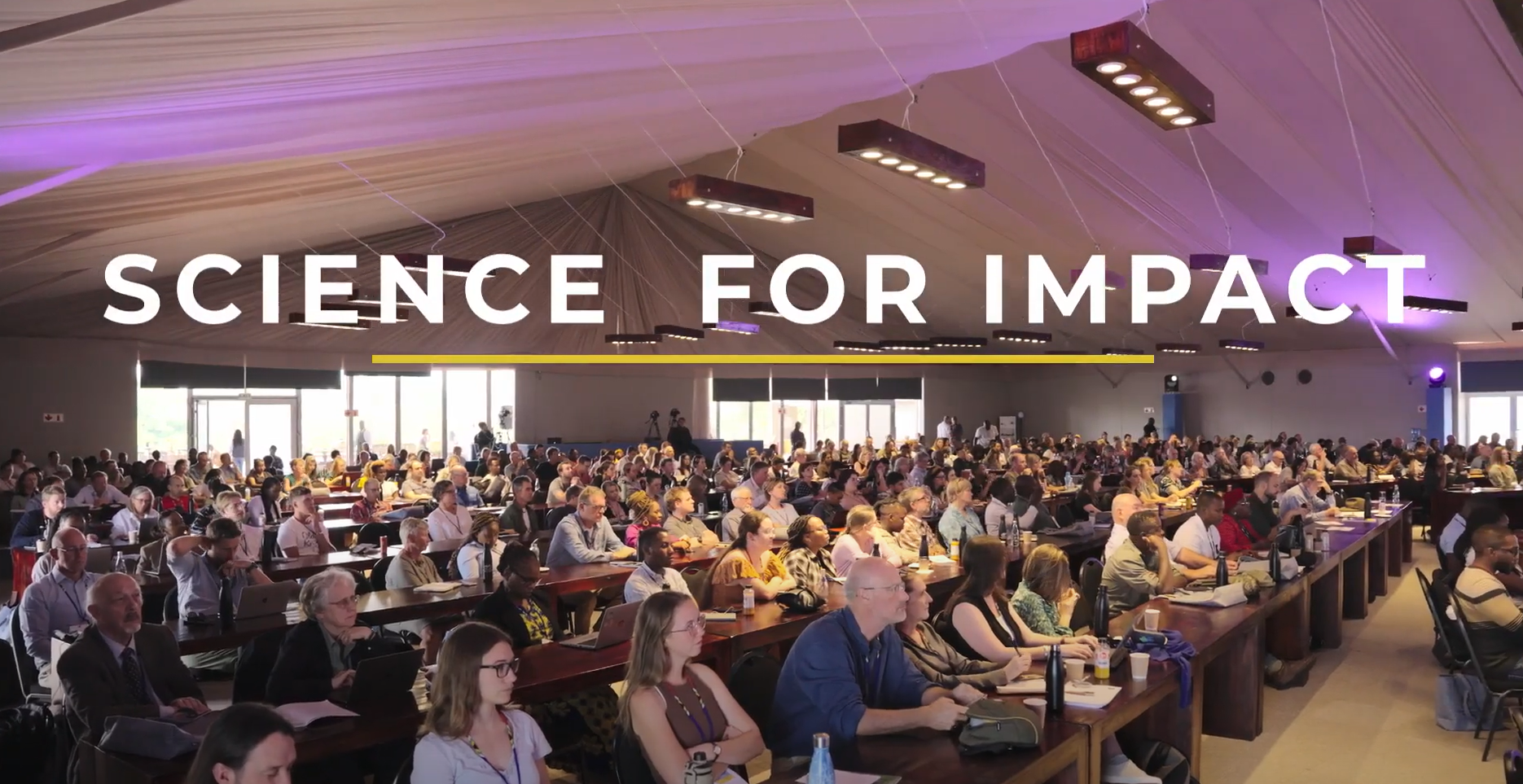
Oppenheimer Research Conference 2024
Oppenheimer Research Conference (ORC) is a space for showcasing and discussing the natural and environmental sciences, and conservation and sustainable development in Africa. The ORC is a meeting place for change-makers to shift the dial on biodiversity research and conservation.

Embedding opportunities for poverty alleviation in urban green infrastructure design and management using South Africa as a case example
By Charlie Shackleton, Peta Brom et al. (December 2024)
Ever considered how a park might contribute to poverty alleviation? This article assesses six types of urban green infrastructure (UGI) for the potential to contribute to multidimensional poverty alleviation. While foraging and urban agriculture provide direct economic buffering, all types of UGI provide indirect, but important functions that support societal wellbeing and buffer communities against the economic stressors of poverty in various ways.
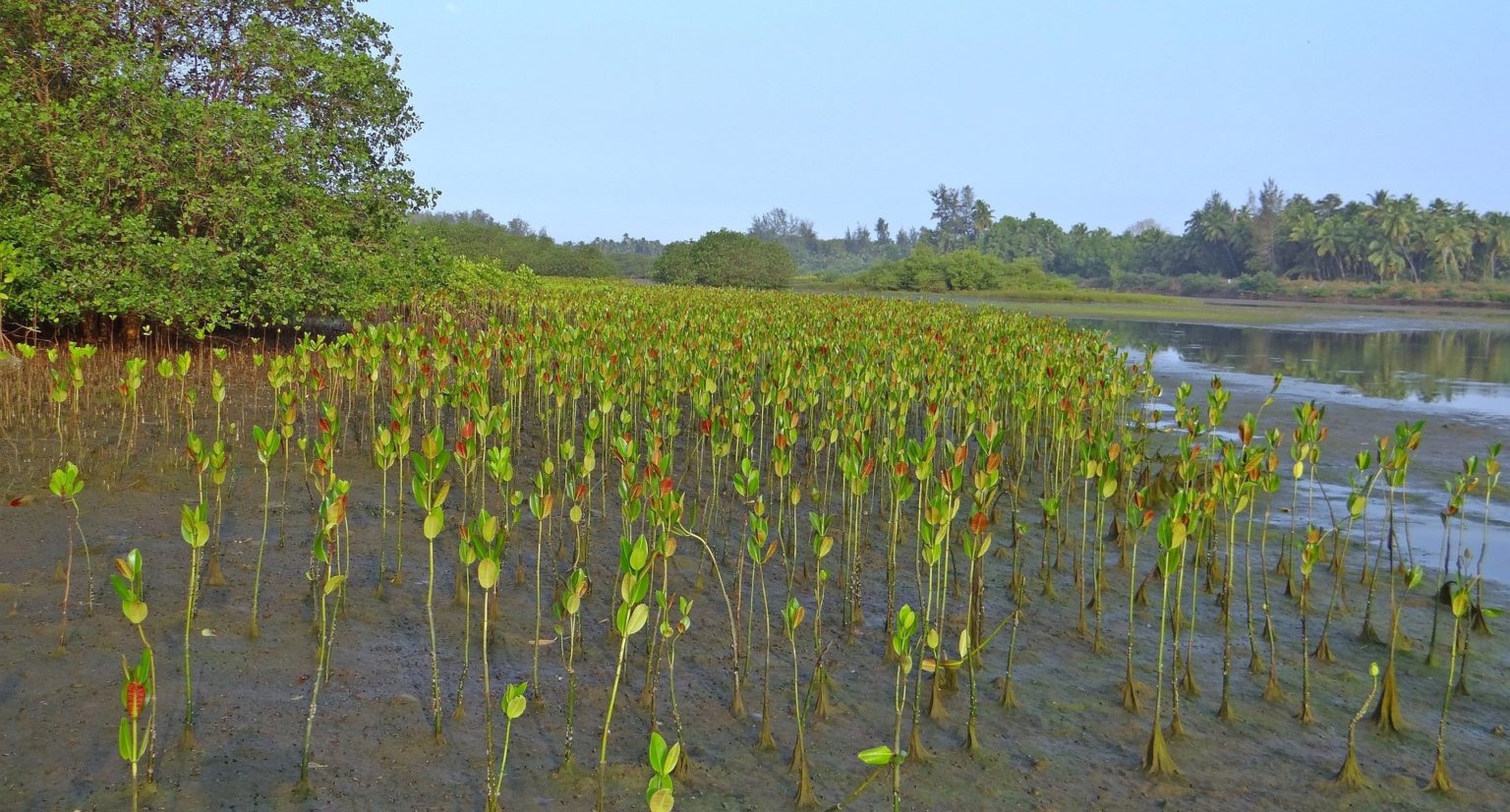
Five lessons to level up conservation successfully
By Alex Morrison (contributions from Tom Powell and Antony Emenyu)
Conservation plays a key role in protecting wildlife, promoting biodiversity and sustaining the human livelihoods that depend on the various services these ecosystems provide. However, most interventions attempting to scale conservation outcomes hardly achieve their desired goals, sometimes causing unintended harm instead. Our paper, ‘Five lessons for avoiding failure when scaling in conservation’ is an attempt to provide possible pathways to better conservation scaling success. One could use these lessons to reflect on their own conservation scaling experiences, think of ways to improve the success rates of ongoing projects or refine ideas for new conservation projects with future scaling plans.

Equity and justice should underpin the discourse on tipping points
April 2024
An international team of co-authors, including OPALS Scholar Therezah Achieng and FEFA colleagues, argue in this paper that equity and justice considerations should have more prominence in the global discourse on tipping points and could have critical implications for people and landscapes in the Global South, including in Africa. For example, targets to rapidly scale nature-based solutions to mitigate climate change risk promoting inappropriate and ineffective tree-planting in Africa’s grassy ecosystems, with negative outcomes for the communities and biodiversity that depend on them. Similarly, targets to rapidly scale conservation of biodiversity risk excluding people from the landscapes on which their livelihoods depend, reinforcing cycles of poverty and marginalisation that in turn negatively affect biodiversity. The paper argues for approaches that engage the inhabitants and users of conservation landscapes from the outset, and which identify feedbacks that reinforce mutual benefits for human wellbeing, biodiversity, and climate change.
The Silent Shift: Female Cows in Feedlots and Its Impact on Botswana’s Beef Production
A magazine article by Oppenheimer Masters Scholar Alan Nare published in the Botswanan Smart Farming Times (June 2023)
Oppenheimer Research Conference 2023
(October 2023)
OPALS was well represented at the Oppenheimer Research Conference, one of the leading scientific/conservation meetings on the continent. Eight OPALS scholars made nine contributions across the three-day programme and many Exeter-led studies were cited as informing key discourses throughout the meeting.
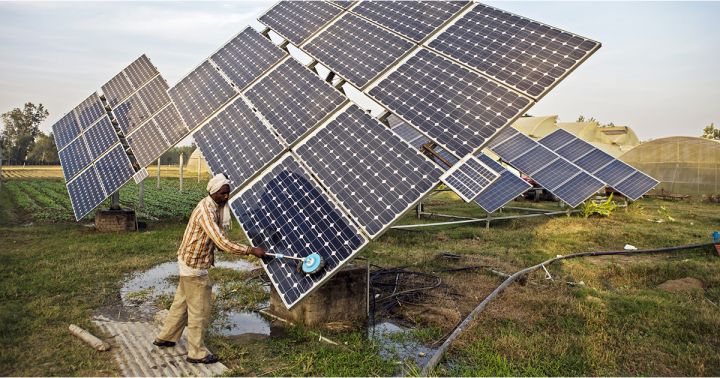
Harness positive Tipping Points for a cascade of goods for Africa
By Tom Powell, Laura Pereira, Antony Emenyu, Therezah Achieng
Tipping points present huge risks in the climate and ecological emergency, but also huge opportunities to transition to more sustainable futures. That’s the key message of a new Global Tipping Points Report, which was released at COP28.


Analysing the dynamics of ‘positive tipping points’ in The International Small Group and Tree Planting Program (TIST) from a systems thinking perspective
MSc Dissertation by Justin Marshall (September 2022)
Climate adaptation in Maputo, Mozambique: Coastal hazards, informal settlements and communicating risk
MSc Dissertation by Emily Willoughby (September 2022)
 Oppenheimer Programme in African Landscape Systems (OPALS)